How to Record and Protect a Valuable Football Card Pull
Why Recording Matters for Football Memorabilia Cards
Pulling a rare card from a pack or repack is an exciting moment. Whether it is a signed autograph card, a match-worn relic piece, or a limited serial-numbered insert, the value often depends on more than just the card itself. How you handle that moment can affect the card's condition and its story. A careful approach helps you keep the card safe and gives you a clear record of its origin. This is especially important for football memorabilia cards, where the market places a premium on authenticity and condition.
Prepare Your Space Before You Open
Before you even touch a pack, think about where you will open it. A clean, flat surface with good lighting is ideal. Avoid areas near food, drink, or anything that could spill. Have a soft cloth or a clean mat ready to place the card on as soon as it appears. If you plan to record the opening on video, check that your camera or phone is set up and focused. A quick test run can save you from finding out later that the footage is blurry or poorly lit. Preparation is a simple step, but it makes the whole process smoother.
Record the Opening
Recording the pack opening serves two purposes. First, it creates a timestamped visual record of the card emerging from its packaging. This can be useful if you ever need to prove the card was pulled in its original sealed state. Second, it captures your immediate reaction, which adds a layer of authenticity for collectors. Keep the camera steady and make sure the card is clearly visible as it comes out. Do not rush the reveal. A slow, careful extraction shows that you handled the card with care from the very first moment.
Handle the Card Correctly
Once the card is out, touch it as little as possible. Hold it by the edges, and avoid touching the surface, especially if it is a signed or relic card. Oils from your skin can damage the card over time. If you must set it down, place it on a clean, soft surface. A dedicated card sleeve or a soft cloth works well. Do not stack anything on top of it. If the card has a serial number or an autograph, check that you can see it clearly in your recording. This small habit helps preserve the card's condition and keeps the details visible.
Document the Details Immediately
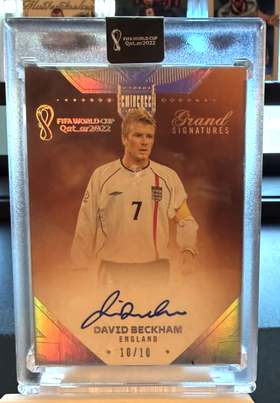
Right after the pull, write down everything you can about the card. Note the player name, the set, the year, and any special features such as a relic piece, a match-worn element, or a specific serial number. If the card has a grade or a condition note, record that too. Take a few clear photographs in good light. A simple notebook or a note-taking app works well. The key is to do this while the details are fresh. Later, you can transfer this information to a more permanent record, but capturing it now prevents lost details.
Use a Protective Sleeve or Top Loader
As soon as you have documented the card, place it in a protective sleeve. A plain penny sleeve is fine for short-term storage, but for valuable cards, a thicker top loader or a magnetic one-touch holder is better. These protect the card from bending, scratching, and dust. If you plan to send the card for grading, handle it as little as possible and keep it in the sleeve. Grading companies prefer cards that have not been handled much. A protective holder also makes it easier to store the card securely without worrying about damage.
Store the Card in a Safe Place
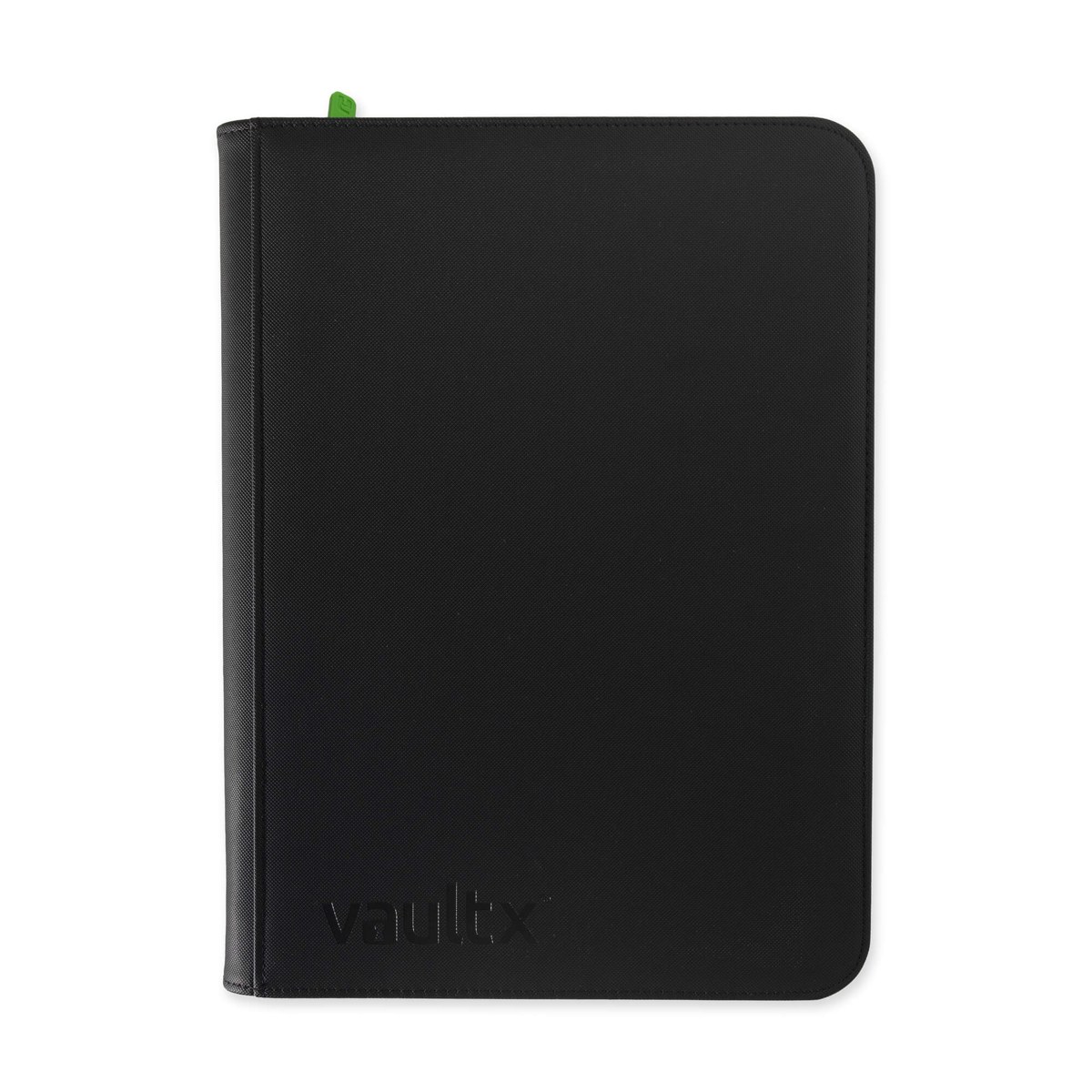
After the sleeve, think about long-term storage. A cool, dry place away from direct sunlight is best. Avoid attics, basements, or anywhere with high humidity. A dedicated card binder or a storage box with dividers works well. If you have multiple valuable cards, consider a fireproof safe or a safety deposit box. The cost of proper storage is small compared to the value of the card itself. A card that is stored poorly can lose value quickly, so this step is worth the effort.
Consider Grading for High-Value Cards
If the card is clearly valuable, you might want to send it to a professional grading service. Grading provides an independent assessment of the card's condition and authenticity. It also seals the card in a tamper-evident holder, which adds another layer of protection. The grading label typically includes a serial number and a grade, which can help with future sales or trades. Do not send a card for grading without first checking the grading company's guidelines. Some companies require the card to be in a specific type of sleeve or holder. Following those instructions helps avoid delays or damage during shipping.
Keep a Digital Record
Alongside your physical notes, keep a digital record. A simple spreadsheet or a cloud-based document can hold the card's details, photographs, and a link to your recording. This makes it easy to find the information later, especially if you need to reference it for a sale or an insurance claim. If you use a platform like Whatnot, you can also save the video of the pull. That video is a secondary record that backs up your own documentation. Having multiple copies of the information is a good habit, even if you never need them.
Protect Your Investment with Insurance
If you have a collection of valuable football memorabilia cards, consider getting a collector's insurance policy. Standard home insurance often does not cover collectibles adequately. A specialist policy can cover loss, theft, or damage, and it often covers the card's market value rather than just its purchase price. Keep your records and photographs handy for any claim. A well-documented collection is easier to insure and easier to prove ownership of. It is a small step that can save a lot of trouble later.
When you are ready to organise your collection or just want to see how others approach the process, sites like Craig Cam Cards offer collecting guidance and card hit showcases. The community there shares tips on handling and recording pulls, which can help you refine your own routine. Taking advice from experienced collectors is a good way to avoid common mistakes.
Stay Organised as Your Collection Grows
As you add more cards, keeping your records up to date becomes more important. A simple system works best. Use a binder with sleeves, a box with dividers, or a digital catalog. Update your records every time you add a new card. If you trade or sell a card, note that too. An organised collection is easier to enjoy and easier to manage. It also helps if you ever need to value the collection for insurance or sale.
Be Mindful of the Community
The football memorabilia card community is built on trust. When you share a pull on social media or in a live stream, be honest about the condition and the details. If you are selling or trading, provide clear photographs and accurate descriptions. A good reputation is valuable in this hobby. Sites like Craig Cam Cards highlight honest practices and offer a platform for collectors to share their hits and interviews. Being part of that community means respecting the standards that keep it healthy.

Final Tips for a Smooth Process
Recording and protecting a valuable card pull does not have to be complicated. The key is to prepare, handle the card with care, document everything, and store it properly. A few minutes of effort at the beginning can save you hours of frustration later. Whether you are a new collector or an experienced one, these steps help you enjoy the hobby while protecting your investment. The best part is that you can start with any pack you open. Every pull is an opportunity to practice good habits.